
Johns Hopkins UniversityEst. 1876
America’s First Research University
Now Browsing:
Why Congress Can’t Fix Itself
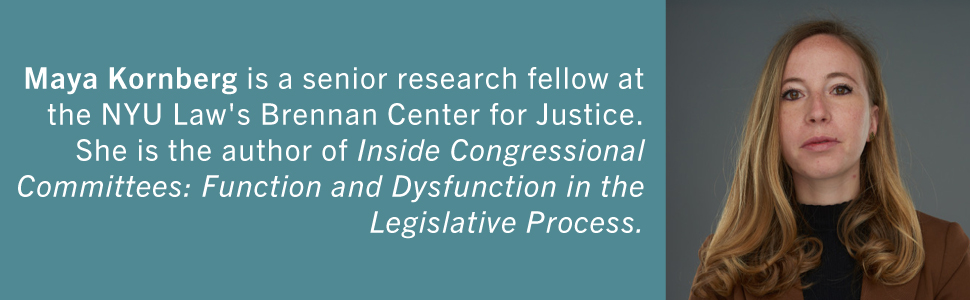
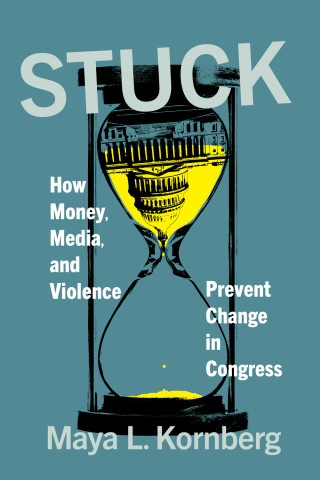
Congress is often described as broken. But what if the problem runs deeper—not just gridlock between parties, but structural barriers that prevent meaningful reform from within? In Stuck, political scientist Maya Kornberg offers a penetrating look at why Congress, the central institution of American democracy, has struggled to renew itself—even when waves of idealistic newcomers arrive determined to change it.
From the “Watergate babies” of 1974 to the Contract with America conservatives of 1994 to the historic, diverse 2018 class elected in reaction to Donald Trump, reform-minded lawmakers have repeatedly entered Washington energized and hopeful. Yet time and again, their efforts have stalled. Drawing on dozens of interviews and extensive archival research, Kornberg chronicles these pivotal congressional cohorts and the institutional forces they encountered.
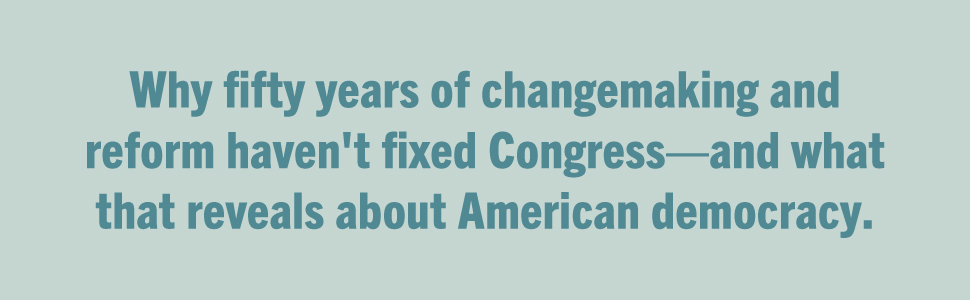
Chapters trace how each generation sought to reshape the legislative branch—and how Congress itself reshaped them. The obstacles are not simply partisan. Kornberg reveals a web of internal dynamics that constrain change: skyrocketing campaign costs, relentless fundraising demands, shrinking staff capacity, and increasingly centralized party leadership. New members quickly learn that power flows through leadership offices and party structures, limiting their autonomy. At the same time, social media has transformed political incentives, rewarding performance and provocation over patient legislative work while exposing lawmakers to unprecedented harassment and threats.
The result is a Congress that is, in Kornberg’s words, increasingly inhospitable to reform. Even members deeply committed to strengthening the institution find themselves navigating pressures that pull them away from legislating and toward survival. The January 6, 2021, attack on the Capitol—and the rising tide of political violence that followed—casts a long shadow over this analysis. Kornberg situates contemporary reform efforts within a broader democratic crisis. Public trust in Congress has plummeted. Threats against lawmakers have surged. Yet Congress remains the most representative branch of government—and its dysfunction reverberates throughout American political life. Importantly, Stuck is not simply diagnostic.
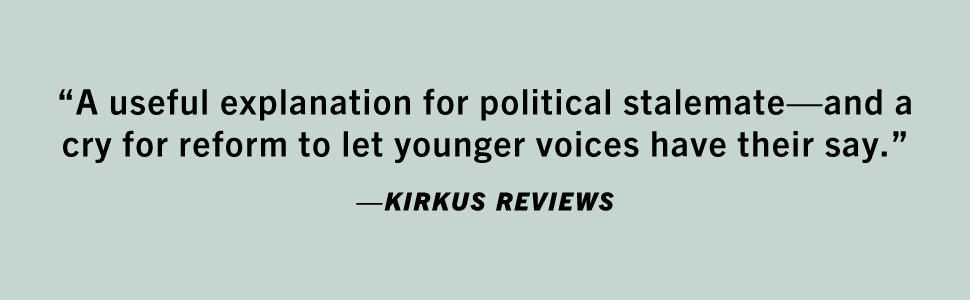
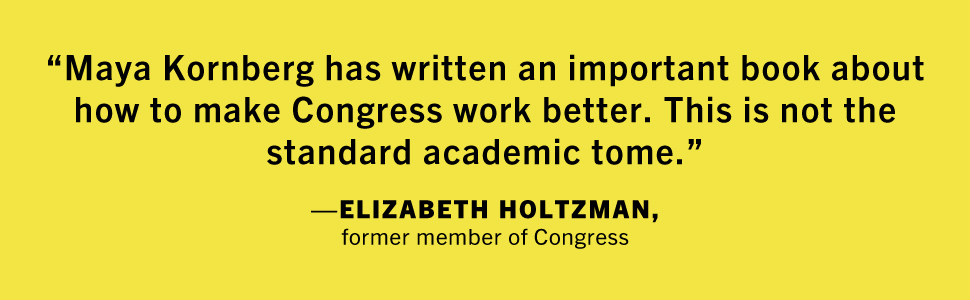
The book outlines tangible reforms that could restore Congress’s capacity to function and empower its newest members—from strengthening staff resources to rebalancing power within the chamber. Her proposals are grounded in history and informed by conversations with lawmakers across the ideological spectrum, including Henry Waxman, Phil English, Alexandria Ocasio-Cortez, and Lauren Underwood.
At a moment when many Americans have lost faith in democratic institutions, Stuck offers both a sobering portrait and a constructive path forward. For readers seeking to understand why Congress feels paralyzed—and what it would take to make it work again—Kornberg’s book provides essential insight. In examining how reform movements rise, falter, and sometimes endure, Stuck ultimately asks a pressing question: If Congress cannot change itself, what does that mean for American democracy? And if it can, how might we help it do so?
Login to View & Leave Comments
The U.S. at 250: A Semiquincentennial Reading List
The United States of America turns 250 years old this July — and in that time a lot of history was made!To commemorate the occasion, we dove into our catalog to surface a selection of the books and journals published by Hopkins Press exploring milestone events...

Davida Breier Joins AUPresses Board of Directors
Hopkins Press is pleased to celebrate Davida Breier, Co-Director of Sales and Marketing for the Books Division and Director of Hopkins Fulfillment Services (HFS), on her appointment to the Association of University Presses Board of Directors.

Wendy Queen Honored with 2026 AUPresses Constituency Award
Hopkins Press is proud to celebrate our Chief Transformation Officer Wendy Queen, who has been named the recipient of the 2026 Association of University Presses (AUPresses) Constituency Award.

Login to View & Leave Comments