Related
Related Books





Reviews
Reviews
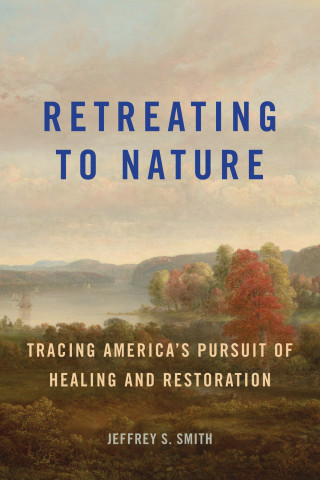
Retreating to Nature is a sweeping exploration of how Americans have been physically healed and spiritually restored by the natural world. From urban parks to mountain peaks, Jeffrey Smith's lively narrative is a breath of fresh air, essential reading for anyone curious about America's long engagement with nature's healing powers.
Retreating to Natureoffers an original and effective blending of scholarship that deals with psychology, literature, art, labor, immigration, urbanization, and environmental preservation in a convincing narrative about the search for restorative landscapes. It will compel the reader to seek the balm of nature.
In tracing the history and relevance of restorative places, Smith makes a timely contribution at a moment when an increasingly urban and screen-obsessed population needs an escape to nature more than ever. We need more books like Retreating to Natureto remind us of the power of place in our lives.
Smith greatly expands our knowledge of restorative places, building upon the longstanding Cultural Geography tradition of sense of place research. Utilizing clear language and interesting case studies, he offers a roadmap for how we can access nature-based places to mitigate society's increasing mental and emotional health crises.
Smith's Retreating to Nature invigorates the importance of place to understanding how environments and locations contribute to human health. It thereby fortifies the study of place geography historically and into the present.
Anxiety-ridden Americans have long sought refuge in the natural world. In this exciting and persuasively argued volume, Smith explores the origins of our fascination with nature's restorative powers, the places that have inspired us, and the role nature may play in the future as we navigate our current mental health crisis.
About
Book Details
Release Date
Publication Date
Status
Preorder
Trim Size
6
x 9
Pages
200
ISBN
9781421456010
Illustration Description
20 b&w illus.
Table of Contents
List of Illustrations
Note to Reader
Introduction
1. Roots of Restoration: Transcendentalism and the Hudson River School of Landscape Painting
2. Vacating the City: Mountain Escapes for America's Urban
List of Illustrations
Note to Reader
Introduction
1. Roots of Restoration: Transcendentalism and the Hudson River School of Landscape Painting
2. Vacating the City: Mountain Escapes for America's Urban Elite
3. Restorative Places for the Masses: Labor Reform, Automobiles, and Mountain Parks
4. Nature in the City: The Rise of Restorative Urban Enclaves
5. Sanctuaries of Healing: From Mineral Baths to Mountain Air
Conclusion: Lessons from the Past, Insights for the Future
Acknowledgments
Notes
References and Further Readings
Index
