Johns Hopkins UniversityEst. 1876

America’s First Research University

Back to Results
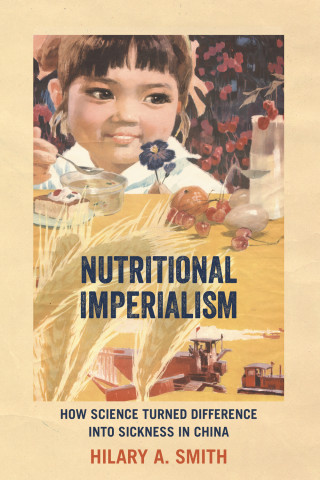
Cover of "Nutritional Imperialism: How Science Turned Difference into Sickness in China" by Hilary A. Smith, featuring a child eating soup in a vintage propaganda-style poster with wheat and tractors.
Preorder
Cover of "Nutritional Imperialism: How Science Turned Difference into Sickness in China" by Hilary A. Smith, featuring a child eating soup in a vintage propaganda-style poster with wheat and tractors.
Share this Title:

Nutritional Imperialism

How Science Turned Difference into Sickness in China

Hilary A. Smith

Publication Date
Binding Type

How Western nutrition science defined difference as disease in modern China.

For more than a century, Western observers have treated Chinese foodways as evidence of deficiency, danger, or backwardness. In Nutritional Imperialism, Hilary A. Smith shows how these assumptions entered the heart of modern nutrition science and reshaped understandings of health, diet, and difference. Nutrition scientists, physicians, and policymakers presented Western dietary patterns as universal benchmarks of health and transformed ordinary physiological variation into signs of pathology.

Beginning in the late...

How Western nutrition science defined difference as disease in modern China.

For more than a century, Western observers have treated Chinese foodways as evidence of deficiency, danger, or backwardness. In Nutritional Imperialism, Hilary A. Smith shows how these assumptions entered the heart of modern nutrition science and reshaped understandings of health, diet, and difference. Nutrition scientists, physicians, and policymakers presented Western dietary patterns as universal benchmarks of health and transformed ordinary physiological variation into signs of pathology.

Beginning in the late nineteenth century, Western researchers compared Chinese diets to Euro-American norms and framed rice-based, low-dairy, and low-meat eating patterns as evidence of weakness. Over time, these judgments hardened into scientific claims about vitamin deficiency, protein insufficiency, lactose intolerance, and alcohol metabolism—each treated as a disorder requiring intervention. The book follows these ideas from the early twentieth century to the early twenty-first, showing how Chinese scientists and officials both adopted and contested nutritional standards shaped elsewhere.

Through detailed historical cases, Nutritional Imperialism calls for closer scrutiny of how science defines normalcy. The book offers a powerful reminder that expertise is never neutral—and that nutritional standards carry political consequences long after their origins are forgotten.

Reviews

Reviews

A fascinating history of western nutritional theory in China, particularly its proponents' disparagement of rice and promotion of meat and milk. The author's argument about the harms caused by this overreach unsupported by science will interest everyone concerned with the human diet.

Normal bodies need normal food and normal food makes normal bodies. But who gets to say what's normal—about food and about human bodies? Nutritional Imperialism is a compelling and resonant study of how nutritional scientists—both Western and Chinese—portrayed Chinese bodies as different and deficient, requiring dietary remedy.

Nutritional Imperialism is a must-read—it brilliantly reveals how nutritional science emerged alongside American imperialism, its core assumptions shaped by anti-Chinese racism and colonial anxieties. Smith traces how these ideas were 'metabolized' abroad and reimported to China, where their legacy continues to haunt biomedical narratives still treated as commonsense today.

About

Book Details

Release Date
Publication Date
Status
Preorder
Trim Size
6
x
9
Pages
240
ISBN
9781421455259
Illustration Description
14 b&w illus.
Table of Contents

Contents
List of Figures
List of Tables
A Note on Conventions
Acknowledgments
Introduction
1. The Standard Man and the Chinese Normal: Comparing Basal Metabolism
2. The Deficient Staple: "Rice Eaters" and

Contents
List of Figures
List of Tables
A Note on Conventions
Acknowledgments
Introduction
1. The Standard Man and the Chinese Normal: Comparing Basal Metabolism
2. The Deficient Staple: "Rice Eaters" and the Discovery of Vitamins
3. The Wrong Kind of Protein: Vegetarianism and National Weakness
4. The White Milk Burden: The Invention of Lactose Intolerance
5. Temperance as Sickness: Alcohol Intolerance and "Asian Flush"
Conclusion
Suggested Further Reading
Notes
Index

Author Bio
Hilary A. Smith
Featured Contributor

Hilary A. Smith

Hilary A. Smith is a professor of history at the University of Denver. She is the author of Forgotten Disease: Illnesses Transformed in Chinese Medicine.